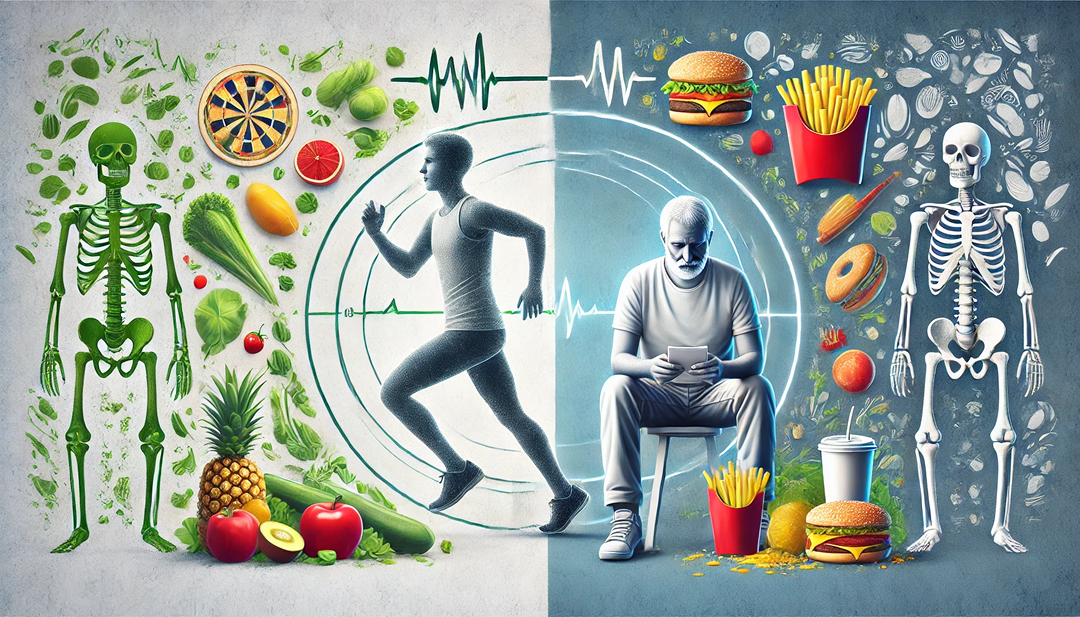


Food is more than just sustenance; it is what becomes us. It is inherently tied to health, vitality, and life itself. As living beings, we naturally crave food, and through its diversity, humanity has evolved into the complex organisms we are today. Proper sustenance and growth depend on real food, not substitutes or imitations.
The Link Between Food and Health
The food business holds immense potential to be both sustainable and fulfilling. After all, feeding another person is among the noblest acts of humanity. An ethical food business model could:
- Achieve economies of scale in sourcing food,
- Add value by ensuring safe, timely, and wholesome nutrition,
- Reduce losses in harvest, storage, and transportation.
This vision embodies tangible and intangible benefits compared to individuals self-sourcing food. Yet, in the 1970s, the definition of food was unscrupulously expanded to include anything that is cheap, marketable, and doesn’t immediately kill the consumer. I call them the Stuff Not Food (SNF). Other terms like junk-food, etc. are all misleading by their usage of the word Food in them. SNF is not food.
Why Real Food Matters for Your Well-Being
Nevertheless, this shift towards SNF rendered ethical food business models unviable, giving rise to a system focused on:
- Producing and selling cheaper, nutrient-deficient products,
- Masking these deficiencies through synthetic additives,
- Exploiting human senses to drive addictive consumption.
Academically, food is composed of macronutrients like fiber, protein, fats, and carbohydrates, alongside micronutrients such as vitamins and minerals. However, these isolated components, in themselves, are not food. They do not promote good health when consumed separately and are, at best, edible compounds. Our digestive systems evolved to process whole foods, not their artificially reassembled counterparts.
The Rise of Processed Food and Its Consequences
Food companies, however, profit more from selling these synthetic versions than wholesome food. It is cheaper to separate food into components, mix them synthetically, and sell the resulting product (SNF). They market SNF as equivalents to real food, misleading consumers into believing otherwise.
Our senses are designed to guide us toward nutritious food. Even infants instinctively reject isolated food components like pure sugar, fat, or protein, knowing it’s not real food. But while babies resist deception, adults are far more vulnerable to manipulation. Companies exploit this through synthetic additives:
- Flavors, colors, and aromas mimic natural cues, tricking our senses.
- Stabilizers and emulsifiers unnaturally bind components (e.g., lecithin in chocolate combines sugar and fat).
- Preservatives extend shelf life by making products inhospitable even to bacteria and fungi.
The presence of these compounds is evidence that it is SNF.
How Synthetic Additives Affect Your Health
The human body is exceptional, informing us via physical and psychological means if we are doing something wrong, or consuming something we shouldn't. For example, natural bodily responses such as stomach pain, headache, elevated blood pressure, or rising sugar levels are predominantly symptoms of poor dietary habits. Everyone knows this, but continues craving for more SNF. Why? Because while the bodily responses tell us something is wrong with SNF, our evolutionary learnings of senses (vision, smell, taste), fooled by SNF businesses, see nutrition. Our time-tested instincts win over short-term evidence, and we lose. This is not a problem of choice, but of deception.
The Vicious Cycle of Junk Food and Medication
An unhealthy you is the perfect customer for a host of other businesses, e.g., electronic gadgets like smart watches, even more disastrous SNF like protein powders, and others. They say that you have lifestyle issues, and somehow their products will rectify your lifestyle. Hopeless yet concerned for your health, you fall for them.
Inevitably, despite all the medication and gadgets, SNF leads you to heart disease (due to overload), loss of brain function (lack of blood), and other major irrecoverable conditions, which open more avenues of businesses including hospitalization, surgeries, insurance, etc. When you die, they say, they tried their best to save you. It’s akin to punching increasingly bigger holes in a ship and then pumping out the water till you can pay for it.
The Real Cost of Processed Foods on Our Health
Why all this stupidity of human existence? So that food and pharma companies can do sustainable business. I guess it makes more sense to give them all your money without buying anything, at least you would have been left healthy. Or maybe just skip eating all the stuff, which is not food.
Fundamental Issues Plaguing Modern Food Systems
The fundamental issues plaguing modern food systems are:
- Redefining isolated components as "food" (the cheap aspect),
- Marketing synthetic compounds like additives and preservatives as food (the masquerade aspect),
- Exploiting human senses (vision, taste, smell) to drive addictive consumption (the hacking aspect).
This systemic misuse of language and science has detached us from the true meaning of food. The implications extend beyond personal health to the health of future generations. Evolution will phase out unfit genes through disease and disorder. Our survival and that of the generations to come depends on reclaiming our understanding of food and making informed, ethical choices.
The Path to a Healthier Future
The question is simple: Do you want future generations to thrive in good health or succumb to preventable diseases? The path to it is equally clear: Eat food. Real food. Nothing else.


 Continue with Google
 Continue with Apple