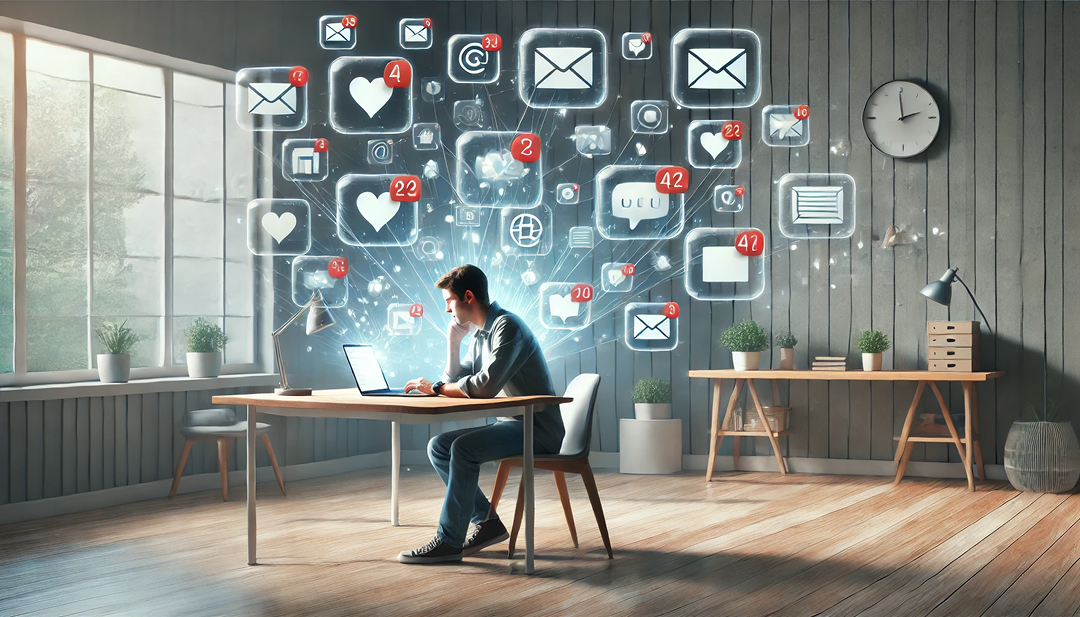


Notifications have become an omnipresent part of modern life, dictating our schedules, distracting our focus, and ultimately stealing our most valuable resource: time. Whether it's a phone ping, a new email, or a knock on the door, each interruption chips away at our productivity, creativity, and peace of mind. The harsh truth? Notifications are the master, and we are their unwitting slaves.
How Notifications Destroy Focus
Every time you respond to a notification, you lose focus. Science tells us it can take up to 25 minutes to fully regain concentration after an interruption. Now imagine being bombarded by dozens, if not hundreds, of notifications every day. The cumulative effect is devastating: your brain becomes accustomed to operating at a fraction of its capacity, leaving you feeling exhausted yet unproductive.
The Addiction Cycle: Dopamine and Distraction
Notifications aren't just distractions; they exploit our brain's natural dopamine reward system. Each buzz or ping offers a fleeting thrill, compelling you to check your phone repeatedly, only to end up scrolling endlessly through content that leaves you unfulfilled. This cycle of seeking and dissatisfaction mirrors addiction, making it impossible to stay productive and focused.
The Hidden Cost: Mental Health and Cognitive Overload
Notifications don't just waste time; they train your brain to crave constant stimuli, making even a peaceful moment feel unbearable. Over time, this dependency can lead to anxiety, depression, and other mental health issues. Worse still, they overload our cognitive abilities, drowning us in a sea of meaningless information while the world’s largest corporations profit from our divided attention.
How Big Tech Profits from Your Distraction
Platforms like YouTube, Instagram, and Twitter command billions of hours of collective human engagement daily, driven largely by notifications. These numbers are a stark reminder of how effectively businesses exploit our senses to serve their goals.
How to Take Control and Break Free
The solution begins with awareness. Notifications exploit our natural senses—sight, hearing, and touch—and trigger a subconscious perceive-think-respond cycle that’s difficult to interrupt. But breaking free is possible with deliberate actions:
1. Turn Off Notifications
This may sound trivial, but it’s revolutionary. Navigate your device settings and disable every notification—visual, auditory, and tactile. It’s not a halfway measure; you must go all in. The initial weeks may feel like withdrawal, but soon you'll experience unparalleled clarity and focus.
2. Streamline Your Devices
Avoid accumulating unnecessary gadgets. Use only what you need and keep devices out of sight when not in use. Establish device-free zones in your home and workspace to minimize distractions.
3. Delete Non-Essential Apps
Declutter your devices by removing apps that don't align with your goals. Resist the urge to overuse your gadgets simply because they’re available.
4. Batch Your Responses
Schedule specific times to check and respond to messages, emails, and notifications. Best to keep your morning for focused work, afternoon for planning and follow-ups, and evening for unscheduled tasks—and address notifications in batches in between.
5. Set Boundaries with People
Politely but firmly establish guidelines with colleagues, friends, and family. Let them know you’re not constantly available and encourage them to contact you only for meaningful or urgent matters.
Reclaim Your Time and Focus
Turning off notifications may make you seem anti-social at first, but the benefits are undeniable. With uninterrupted time, you'll accomplish more, reduce stress, and have energy for meaningful personal interactions. Over time, others will notice your achievements and respect your boundaries.
By rejecting the constant demands of devices and apps, you take control of your life. Time is your most precious resource—protect it fiercely. Swim against the current and embrace a serene, productive existence.
It all starts with one simple yet powerful step: Turn off notifications.
What Are Your Thoughts?
How do notifications impact your productivity? Share your perspectives in the comments below!


 Continue with Google
 Continue with Apple